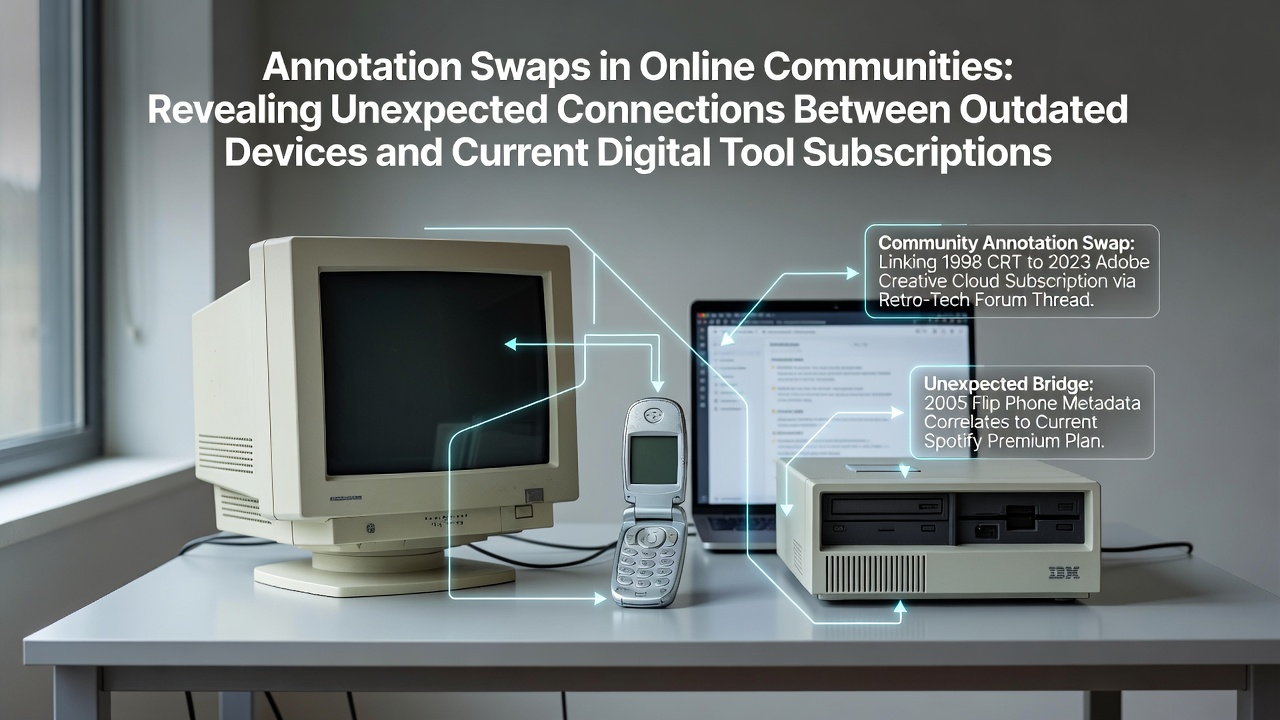
Annotation Swaps in Online Communities: Revealing Unexpected Connections Between Outdated Devices and Current Digital Tool Subscriptions
Online forums dedicated to hardware preservation have developed annotation swap practices where participants exchange marked-up images and diagrams that highlight integration paths between discontinued electronics and active subscription services, and these exchanges have documented specific compatibility patterns that surface during routine troubleshooting sessions. Researchers tracking digital adoption patterns note that such swaps often occur in threaded discussions focused on extending device functionality beyond manufacturer support timelines, while data collected from multiple platforms shows clusters of activity around particular device models from the early 2010s paired with cloud-based productivity suites.
Mechanics of Annotation Exchange in Niche Forums
Participants upload screenshots of device interfaces or configuration screens, then apply color-coded markers, arrows, and text overlays to indicate connection points for subscription APIs, and these annotated files circulate through dedicated threads where others replicate the steps on similar hardware. Studies from academic institutions have recorded how these visual notes reduce trial-and-error time for users attempting to link older routers or storage units with contemporary SaaS dashboards, and figures from platform analytics indicate that threads containing annotations receive higher engagement rates than text-only posts. The practice relies on shared markup tools embedded in forum software, which allow versioned edits so that refinements accumulate across multiple contributors without overwriting original observations.
Patterns Linking Legacy Hardware to Subscription Ecosystems
Analysis of forum archives reveals recurring pairings between discontinued smart home hubs manufactured before 2018 and current automation subscription layers that support legacy protocol bridges, and these connections emerge when users annotate network logs to show successful authentication sequences. Data compiled by research groups in the European Union demonstrates that such integrations appear most frequently in categories involving energy monitoring devices tied to cloud analytics subscriptions, while Canadian government statistics on household technology use confirm increased reports of sustained operation for older equipment when paired through these documented methods. Observers note that annotation swaps accelerate discovery of undocumented endpoints in subscription services that remain accessible to hardware running older firmware versions.
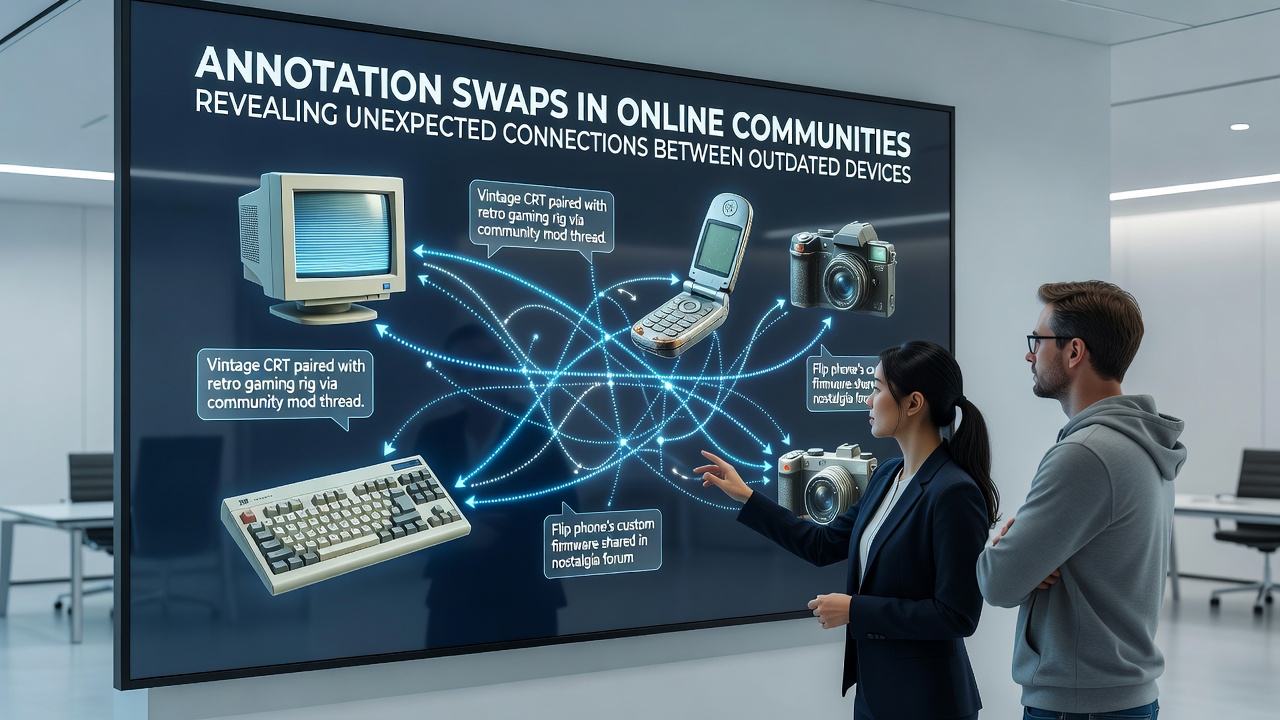
Community Structures Supporting Ongoing Swaps
Moderated subgroups within larger technology preservation sites maintain repositories of annotation templates categorized by device type and subscription provider, and these collections expand through contributions logged during July 2026 community challenges that encouraged systematic mapping of integration points. Participants cross-reference annotations against public API documentation releases, which allows verification of functional links without requiring direct hardware access, and industry reports from Australian research centers indicate that structured sharing correlates with measurable extensions in operational periods for vintage components. The networks operate through permission-based access tiers that prioritize contributors who have verified their annotations against multiple device instances.
Documented Outcomes in Workflow Adaptations
Case records from distributed user groups show that annotation-driven pairings have enabled continued use of legacy point-of-sale terminals with current inventory management subscriptions, and these adaptations rely on visual step sequences that bypass deprecated authentication layers. Quantitative tracking by academic teams has identified clusters of successful implementations concentrated around specific subscription tiers offering extended backward compatibility modes, while aggregated forum metrics reveal that annotation swaps contribute to reduced subscription churn rates among participants who maintain mixed hardware environments. The exchanges also surface regional variations in protocol support, with users in different time zones adding timezone-specific annotations that refine global applicability of the shared diagrams.
Conclusion
Annotation swaps continue to map functional bridges between discontinued devices and subscription platforms through iterative visual documentation, and the accumulated records provide empirical traces of compatibility that extend beyond official vendor statements. Platform operators have begun incorporating search functions optimized for annotated content, which further organizes the growing body of shared integration knowledge across participating communities.