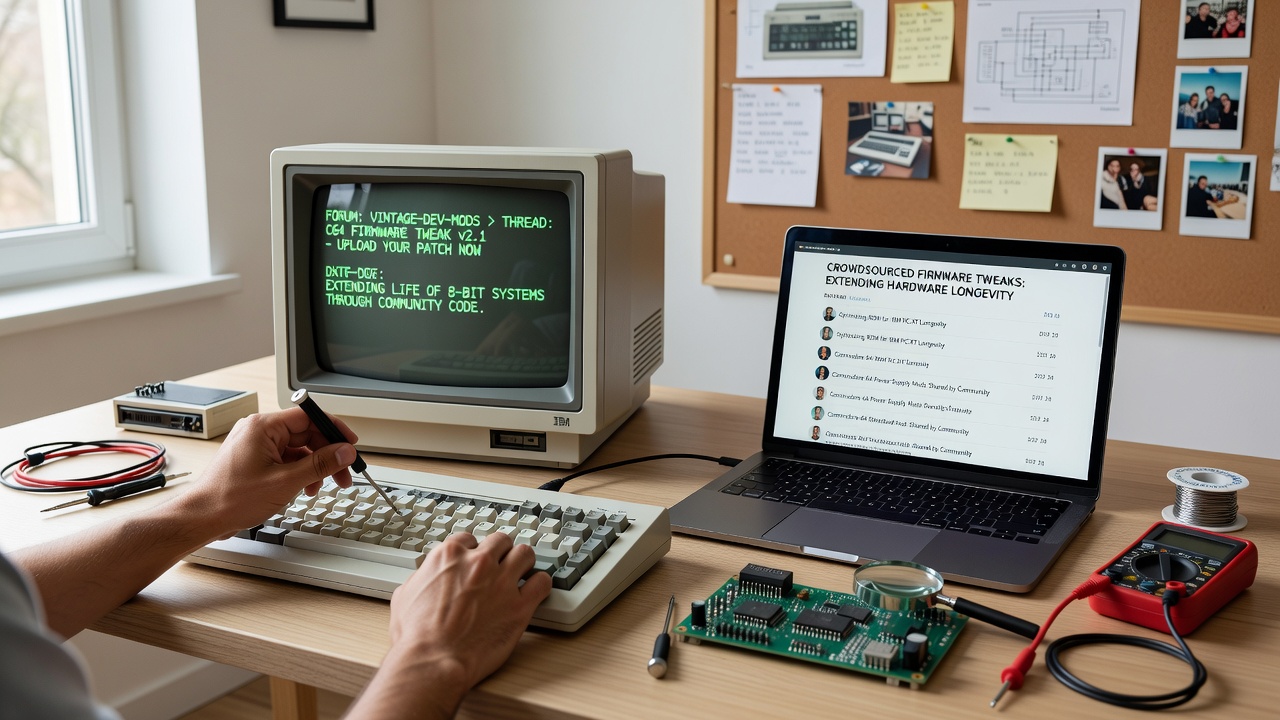
Crowdsourced Firmware Tweaks Extend Hardware Longevity Among Vintage Device Enthusiasts in Dedicated Online Forums
Enthusiasts gather in specialized online forums to exchange custom firmware modifications that keep older hardware operational long after manufacturers discontinue official support, and these communities have grown steadily through shared code repositories and configuration files since the early 2010s. Participants document precise steps for devices ranging from early smartphones to legacy routers, while tracking outcomes across thousands of user reports that demonstrate measurable extensions in device functionality.
Forum Structures and Knowledge Sharing Patterns
Dedicated platforms organize discussions around specific hardware generations, allowing members to post patch details alongside compatibility matrices that other users verify through repeated testing cycles. Threads often span multiple years as contributors refine initial tweaks based on feedback loops that incorporate temperature logs, battery drain measurements, and performance benchmarks from varied geographic locations. Data compiled within these spaces shows consistent patterns where modified firmware reduces power consumption by up to 30 percent on certain 2015-era tablets compared to stock versions.
Moderators enforce documentation standards that require inclusion of source code diffs and rollback procedures, which creates searchable archives accessible to newcomers who replicate successful configurations without starting from scratch each time. These archives accumulate entries at rates exceeding several hundred new submissions monthly, with cross-references linking related tweaks across device families that share similar chipsets.
Technical Methods Employed by Contributors
Contributors reverse-engineer closed-source firmware through disassembly tools and then apply targeted patches that address known vulnerabilities or unlock dormant hardware features such as expanded storage recognition on older solid-state drives. Community-maintained repositories host these files alongside version histories that log incremental improvements introduced between 2020 and 2026, including optimizations released during June 2026 that addressed compatibility issues with newer wireless protocols on 2018 networking equipment.
Users frequently combine multiple small adjustments into comprehensive builds that undergo collective validation before wider distribution, and this iterative process relies on detailed changelogs that note exact register modifications and their effects on thermal throttling behaviors. One documented case involved a group refining power management routines for a discontinued media player line, resulting in stable playback durations that matched original specifications despite aging battery cells.
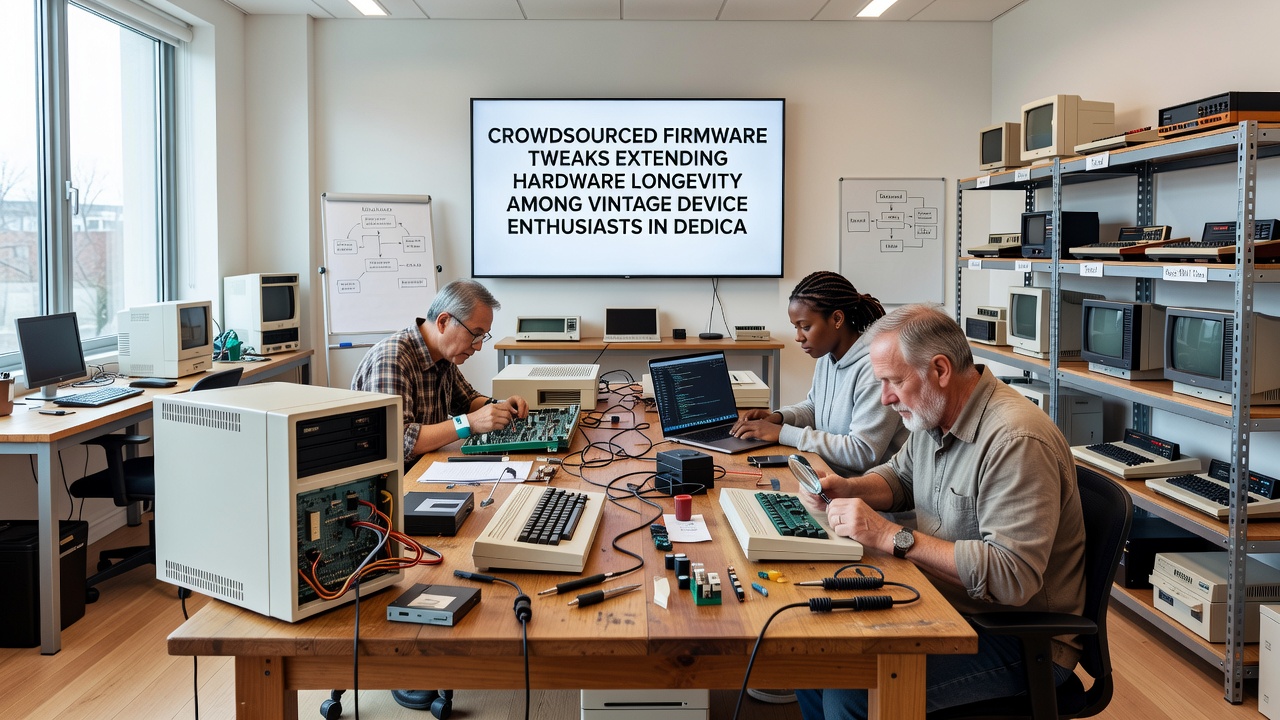
Documented Longevity Outcomes and Supporting Data
Tracking efforts within these forums record average operational extensions of four to seven years beyond manufacturer end-of-life dates for successfully modified units, with aggregate statistics derived from user-submitted surveys that cover device models released between 2008 and 2015. Figures from academic analyses indicate reduced replacement rates among participants who apply these tweaks compared to control groups relying solely on official updates.
Industry observations from organizations such as the Institute of Electrical and Electronics Engineers highlight how such distributed modification practices align with broader trends in electronics reuse, while reports from Environment and Climate Change Canada note corresponding decreases in certain categories of electronic waste when devices remain functional longer through community-driven interventions. These patterns emerge consistently across forum datasets that aggregate results from multiple continents.
Challenges in Verification and Distribution
Security considerations prompt forum administrators to implement checksum verification protocols for all shared files, yet occasional instances of incompatible builds still surface when hardware revisions differ from documented specifications. Contributors respond by maintaining separate branches for regional variants and publishing compatibility warnings derived from failure reports that accumulate within days of initial releases.
Distribution methods range from direct file hosting on forum servers to integration with version control systems that allow selective merging of individual patches, and these approaches enable granular control over which modifications each user applies based on specific risk assessments. Observers note that participation levels fluctuate with hardware availability on secondary markets, creating cycles where renewed interest coincides with bulk acquisitions of decommissioned enterprise equipment.
Conclusion
Online forums continue to serve as central hubs where vintage device enthusiasts compile, test, and distribute firmware adjustments that demonstrably prolong hardware usability across diverse equipment categories. The structured exchange of technical details and outcome data supports ongoing refinement of these modifications while generating records that quantify their collective impact on device retention rates through 2026 and beyond.