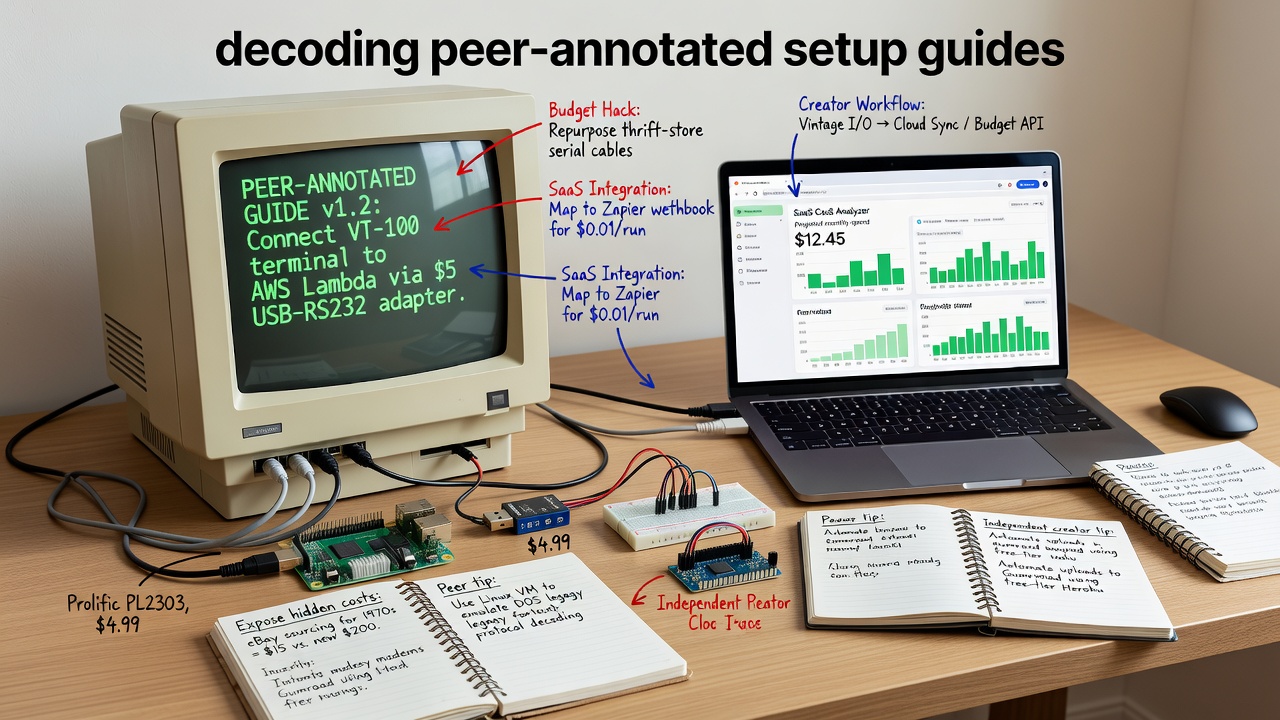
Decoding Peer-Annotated Setup Guides Revealing Budget Links Between Vintage Electronics and Modern SaaS Platforms
Understanding the Rise of Annotated Guides in Creator Communities
Peer-annotated setup guides have emerged as detailed resources where distributed groups of independent creators share step-by-step configurations that link older hardware with subscription-based online services, and data from online forums indicates these documents often highlight cost-saving pathways that reduce reliance on new equipment purchases. Researchers at various institutions have tracked how annotations added by multiple users over time expose specific compatibilities, such as routing signals from legacy synthesizers into cloud mixing platforms without requiring premium adapters. According to reports compiled through collaborative repositories, these guides frequently incorporate visual markers like color-coded tags that flag budget-friendly entry points for those operating on limited resources.
Studies conducted by academic teams in 2025 revealed patterns where creators documented firmware workarounds for discontinued devices, allowing integration with current SaaS offerings focused on asset management and collaborative editing. One analysis from a European research consortium showed that such annotations surfaced in August 2025 across multiple platforms, coinciding with updates to several subscription tools that improved backward compatibility features.
Tracing Connections Through Shared Configuration Logs
Configuration logs exchanged within niche groups demonstrate how vintage electronics, including older MIDI controllers and analog cameras, interface with today's SaaS platforms designed for remote production workflows, and these records typically list exact API endpoints or file format conversions that keep expenses low. Observers note that annotations often include screenshots or markup highlighting free tiers within subscription services, which creators combine with repurposed hardware to maintain professional output levels. Data collected from distributed hobbyist networks points to recurring themes where users map out integrations between legacy peripherals adn automation suites, thereby extending the functional lifespan of equipment originally released decades earlier.
Industry reports from organizations tracking digital adoption trends confirm that these peer-driven exchanges accelerated in frequency during periods of economic constraint, with particular spikes observed around mid-2026 as new SaaS updates rolled out. Experts have catalogued instances where annotated guides detailed the use of open-source bridges to connect discontinued input devices directly to cloud-based rendering engines, and such mappings have proven especially useful for creators managing tight production schedules.
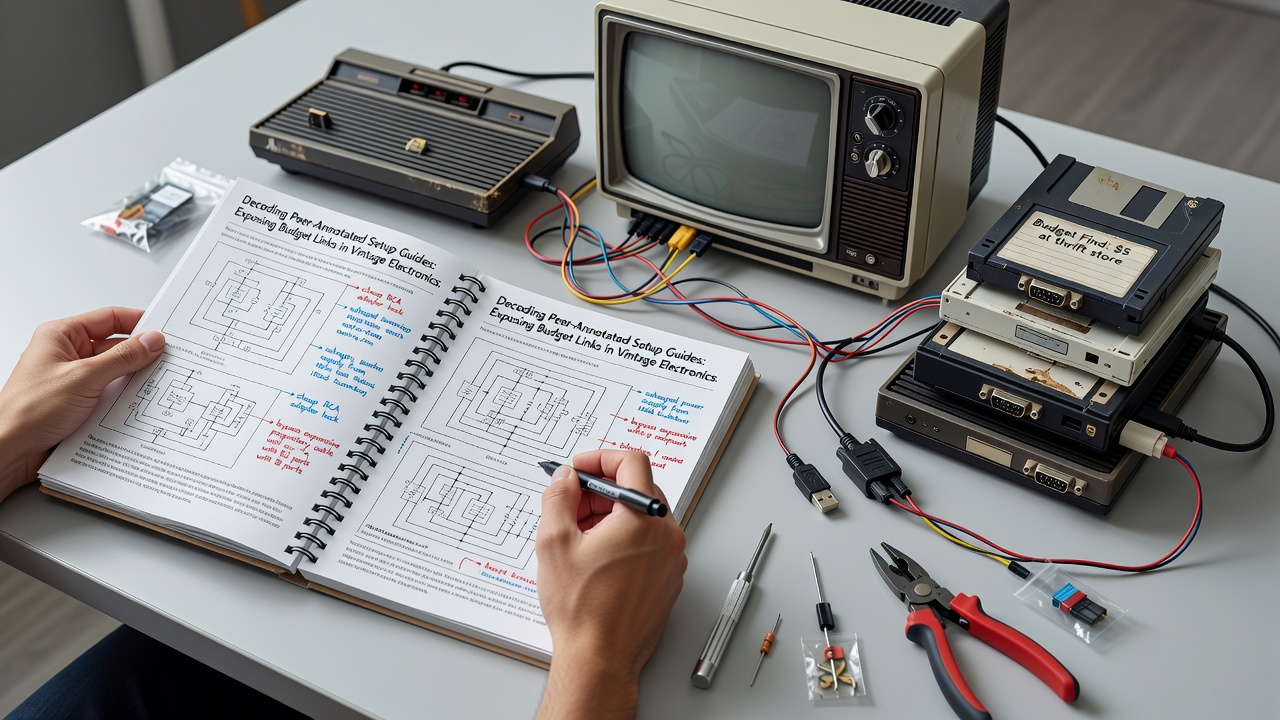
Budget Implications for Independent Creators
Figures from creator economy surveys indicate that peer-annotated resources help surface overlooked pairings that lower overall operational costs, for instance by substituting paid hardware upgrades with software subscriptions that handle signal processing or file hosting. Those who study adoption patterns have documented how annotations in setup guides frequently reference regional pricing variations, enabling users to select SaaS plans aligned with vintage equipment capabilities rather than investing in full system overhauls. Research compiled by North American academic centers highlights cases where independent filmmakers paired 1990s camcorders with modern cloud storage and editing suites, achieving comparable results to contemporary rigs at a fraction of the expense.
Additional documentation from Australian digital economy analyses shows similar trends among remote teams, where shared logs exposed pathways for integrating older audio interfaces with subscription collaboration platforms without incurring additional licensing fees. These connections rely on community-verified steps that account for driver updates and format translations, and they appear most often in forums dedicated to extending hardware utility across evolving digital ecosystems.
Patterns in Annotation Practices Across Platforms
Annotation practices observed in online communities reveal systematic approaches to documenting compatibilities, including layered notes that build upon initial user contributions to refine integration methods over successive revisions. Evidence from collaborative repositories demonstrates that these evolving documents often prioritize minimal-cost solutions, such as utilizing built-in SaaS features for device emulation instead of purchasing specialized converters. Data gathered through longitudinal tracking by university-led projects illustrates growth in such annotated content during 2026, particularly following platform announcements that expanded support for legacy protocols.
Case examples compiled by trade associations in Canada illustrate how groups of creators have mapped out workflows connecting analog mixers to cloud-based distribution services, and these blueprints circulate widely because they emphasize verifiable, repeatable steps that fit within constrained budgets. Patterns identified across multiple regions suggest that the density of annotations correlates with the availability of open documentation from SaaS providers, which in turn facilitates broader adoption among independent users.
Conclusion
Peer-annotated setup guides continue to function as living repositories that decode specific linkages between vintage electronics and contemporary SaaS platforms, and the information they contain supports budget-conscious practices among independent creators through shared configuration details. Ongoing documentation efforts across forums and repositories maintain these connections as hardware ages and subscription services evolve, providing factual records of workable integrations drawn from collective user experience.