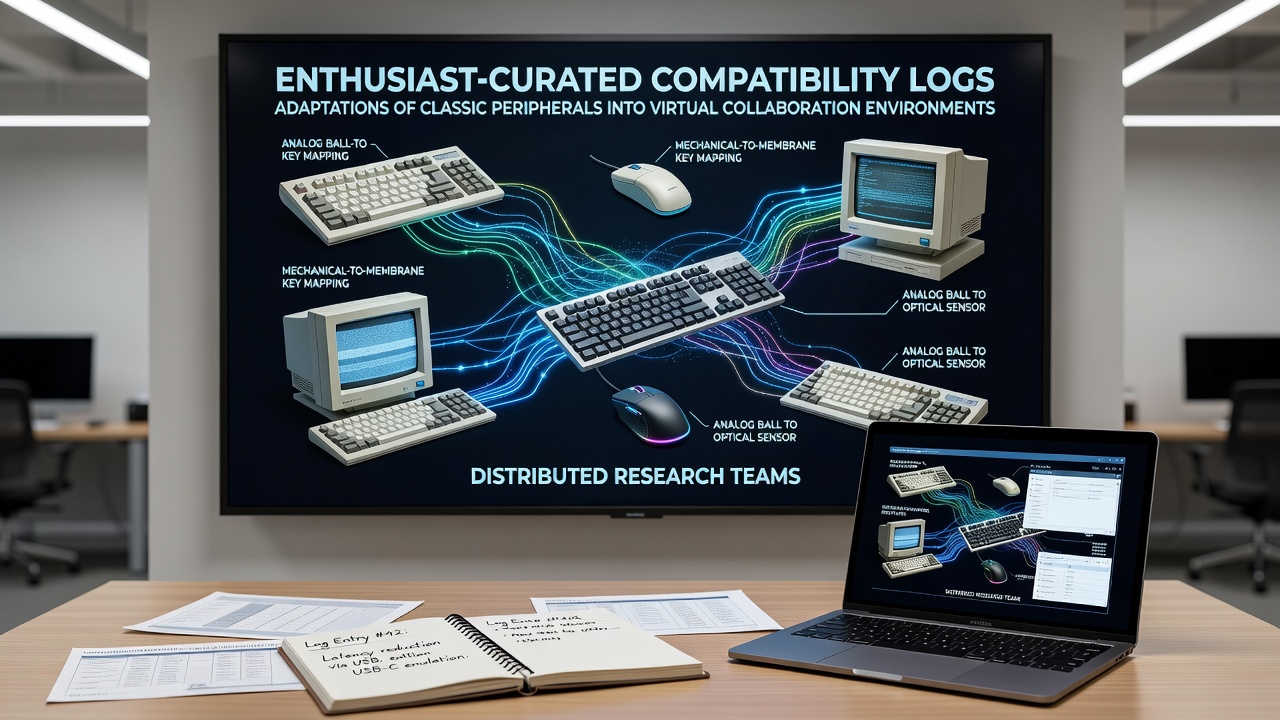
Enthusiast-Curated Compatibility Logs Trace Adaptations of Classic Computing Peripherals into Contemporary Virtual Collaboration Environments Among Distributed Research Teams
Enthusiast communities maintain detailed compatibility logs that document how classic computing peripherals such as serial mice, parallel port scanners, and early USB devices connect to current virtual collaboration platforms employed by distributed research teams. These logs compile configuration data, driver adaptations, and interface mappings that allow older hardware to function within environments like shared virtual whiteboards, remote data visualization suites, and synchronized document annotation systems. Observers note that such records have grown in volume since software updates in early 2026 expanded API access for legacy input protocols.
Origins and Growth of Compatibility Documentation Practices
Groups focused on vintage hardware preservation began tracking these integrations systematically in the late 2010s, yet activity accelerated after major collaboration platforms introduced extensible plugin architectures. Data from forum archives shows thousands of entries added each year, covering everything from PS/2 keyboard mappings to old graphics tablets used for precise diagram annotations during team calls. Researchers have observed that these logs often originate from hobbyist forums where participants test hardware against platforms such as Microsoft Teams and Slack-integrated tools, then share step-by-step configuration files.
By August 2026, several repositories reported spikes in contributions following the release of new virtual reality collaboration modules that support custom HID device profiles. The records frequently include screenshots of successful pairings, error logs from failed attempts, and workarounds involving middleware like virtual serial port emulators. This practice extends hardware utility while supplying distributed teams with alternatives to purchasing new equipment for specialized research tasks.
Practical Adaptations in Research Settings
Distributed research teams in fields such as materials science and environmental monitoring have incorporated adapted peripherals into daily workflows. Classic trackballs, for instance, appear in logs paired with gesture recognition layers that translate movements into cursor controls within shared 3D model viewers. Parallel port flatbed scanners feed directly into cloud-based annotation tools through driver bridges, allowing remote groups to digitize physical samples during joint review sessions.
One documented case involved a European team using 1990s graphics tablets to annotate high-resolution microscopy images inside a subscription platform; the compatibility entry detailed USB-to-serial conversion scripts that maintained pressure sensitivity across latency-prone connections. Similar entries describe old MIDI controllers repurposed as input devices for timeline scrubbing in collaborative video analysis software. These adaptations reduce costs and preserve tactile familiarity for team members accustomed to specific hardware forms.
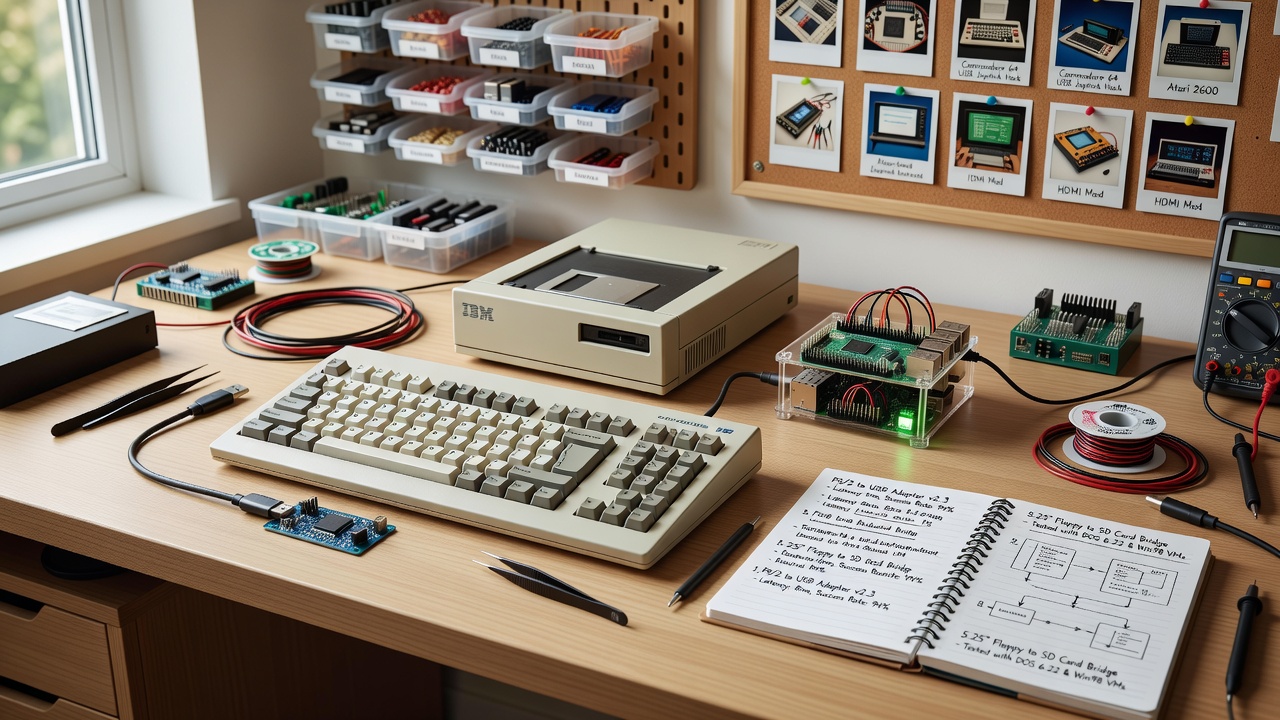
Mechanisms Behind Log Creation and Sharing
Compatibility logs typically follow structured formats that list device identifiers, required operating system patches, and integration scripts. Contributors test hardware against platform updates, then upload results with timestamps and version numbers. Academic sources such as those from the Association for Computing Machinery have referenced similar crowdsourced datasets in studies of long-term hardware sustainability. The process relies on version control repositories where changes to scripts receive community review before merging.
Canadian government reports on digital preservation highlight how such enthusiast efforts complement institutional projects by focusing on niche device classes often overlooked in commercial support. Entries frequently cross-reference each other, creating networks of related adaptations that cover edge cases like multi-monitor setups with legacy KVM switches. Distributed teams access these resources through searchable databases, pulling ready-made configurations that integrate directly into their virtual environments.
Impact on Team Efficiency and Resource Allocation
Figures from industry analyses indicate that teams adopting logged adaptations report measurable reductions in procurement expenses for input devices. Research institutions in Australia have examined how these practices influence remote collaboration metrics, noting improved session continuity when familiar peripherals replace standardized replacements. The logs also surface unexpected compatibilities, such as old barcode scanners functioning as shortcut triggers within project management dashboards.
Evidence from multiple repositories shows that updates to collaboration software in mid-2026 prompted rapid community responses, with new entries appearing within days of each release. These records emphasize active voice testing procedures where contributors verify functionality across different network conditions typical of international research groups. The resulting documentation supports consistent tool access regardless of geographic distribution.
Conclusion
Enthusiast-curated compatibility logs continue to bridge classic peripherals with evolving virtual collaboration tools, supplying distributed research teams with tested integration paths. The practice sustains hardware resources while expanding options for specialized input methods in shared digital spaces. Ongoing contributions through August 2026 and beyond maintain relevance as platforms evolve their extensibility features.