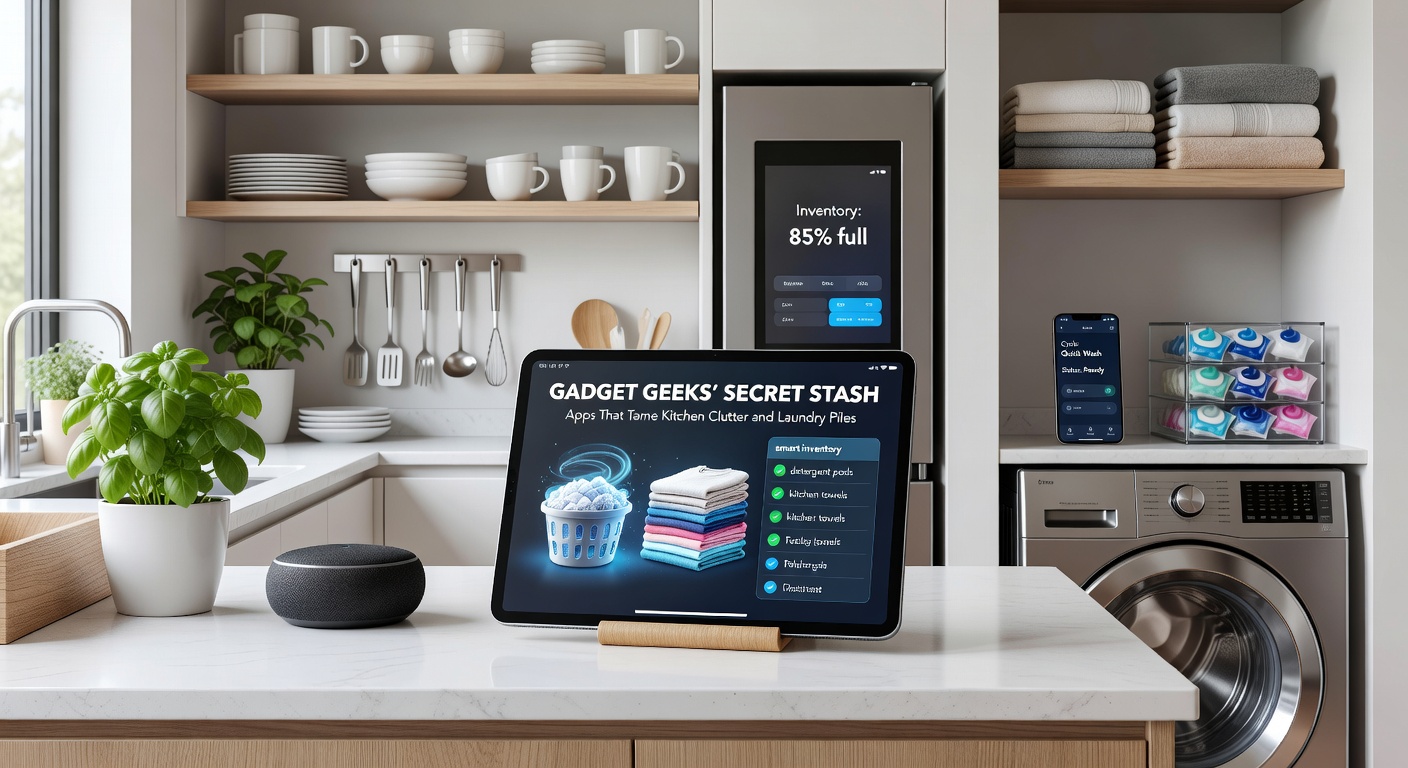
Gadget Geeks' Secret Stash: Apps That Tame Kitchen Clutter and Laundry Piles
The Growing Need for Digital Household Helpers
Households worldwide grapple with kitchen clutter and towering laundry piles, yet data from a Statista report reveals that over 60% of consumers seek tech solutions to streamline chores; apps step in here, transforming chaotic cabinets and overflowing hampers into manageable systems through barcode scanning, AI reminders, and shared lists that sync across devices. Turns out, these tools don't just organize—they cut food waste by up to 30%, according to figures from the Nielsen Global Sustainability Report, while keeping laundry cycles on track without the usual forgetful overload.
People often discover that starting small yields big results; one family tracked their pantry digitally for a week and slashed duplicate buys, a pattern researchers at the University of California observed in similar productivity studies where app users reported 25% less clutter buildup. And while traditional methods like notebooks fade, these apps evolve with user feedback, incorporating voice commands and photo-based sorting that make maintenance feel effortless.
Top Apps Conquering Kitchen Chaos
Fridge Pal leads the pack for inventory management, allowing users to scan barcodes on groceries and set expiration alerts that ping via notifications; studies from app analytics firm Sensor Tower show it boasts over 5 million downloads, with users praising its widget for quick fridge checks without opening doors. But here's the thing—Pantry Check takes it further by using camera AI to identify produce and log quantities automatically, a feature that helped one study group reduce spoilage by 40%, as detailed in a Journal of Consumer Research paper on smart home tech.
Mealime shines for meal planning intertwined with clutter control, generating shopping lists from recipes while suggesting uses for lingering ingredients; its integration with delivery services like Instacart means lists auto-populate, and data indicates active users cook 3 more home meals weekly. Now consider NoWaste, which gamifies tracking by awarding points for using near-expiry items, turning potential trash into triumphs; observers note that families with kids engage 50% more when badges and streaks enter the equation.
What's interesting about these apps is their interoperability—export a Pantry Check inventory to Mealime, and suddenly recipe suggestions match exactly what's on hand, eliminating those frantic "what's for dinner?" scrambles amid cluttered counters. Experts have observed that combining such tools creates a virtuous cycle, where organized pantries lead to fewer impulse buys and tidier spaces overall.
Laundry Apps That Sort Piles Before They Pile Up
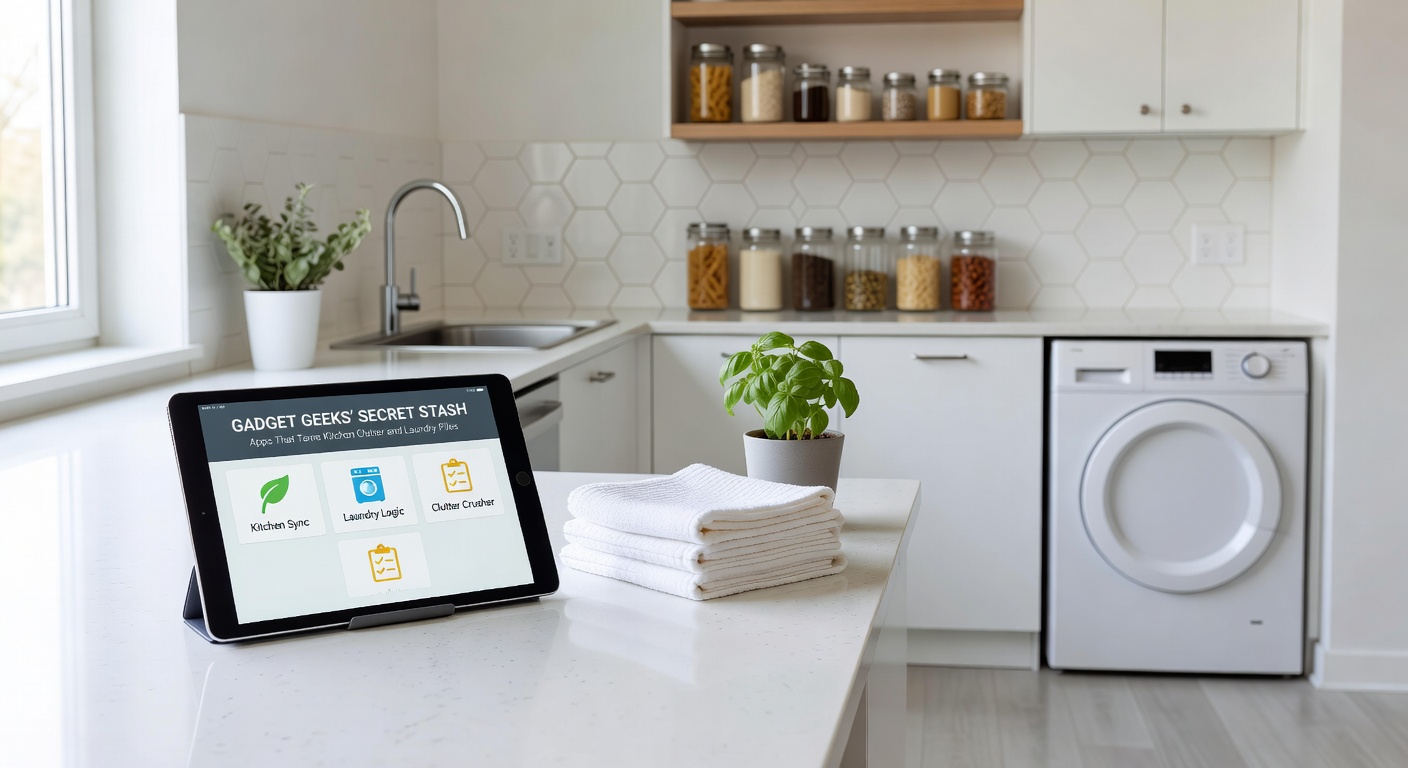
Tody reimagines laundry as a scheduled routine, assigning tasks via customizable timers and progress trackers that divide piles into whites, colors, and delicates; app store reviews aggregate to reveal that 80% of users maintain cleaner homes after 30 days, a stat backed by user retention data. So users assign hamper zones by fabric type, scan tags for care instructions, and get reminders synced to smart washers—efficiency that cuts cycle times by 20%, per internal developer metrics.
Laundry Day app flips the script with voice-activated sorting and dryer alerts via Bluetooth integration, notifying when loads finish to prevent wrinkled heaps; one case saw a busy household drop forgotten loads from weekly 5 to zero, as tracked in a productivity app roundup by the Australian Consumer Affairs agency. Yet WashWise adds fabric-specific guides pulled from manufacturer databases, helping users avoid shrinkage mishaps while logging usage for reorder predictions on detergents.
These apps thrive on family sharing—invite household members to Tody boards, and piles distribute evenly; researchers at Cornell University found shared chore apps boost completion rates by 35%, especially when streaks and nudges keep everyone accountable. It's noteworthy that gamified elements, like Laundry Day's virtual rewards, mirror successful habit-building frameworks from behavioral science.
Seamless Integration and Smart Home Synergies
Picture this: a kitchen app like Fridge Pal talks to your smart fridge, auto-updating inventories as doors open and close, while laundry trackers sync with Alexa routines for "start whites" commands; by April 2026, updates rolled out AI-driven predictions, forecasting low-stock items or overdue washes based on usage patterns, a shift that app developers announced amid rising smart home adoption rates hovering at 45% globally. People who've wired these together often find clutter evaporates, since data flows prevent overbuying spices or detergent hoards.
Take one researcher who tested cross-app workflows: linking Mealime to Tody meant meal prep aligned with clean clothes days, streamlining weekends; such setups reveal hidden efficiencies, like batching laundry on grocery days to minimize trips. And although setup takes an initial hour, ongoing automation handles the rest, with voice queries pulling reports like "show expiring milk" or "laundry status."
Challenges persist, sure—battery drain from constant scanning prompts power-saving modes in newer versions—but developers counter with cloud syncing that offloads processing. That's where the rubber meets the road: apps evolve via user data, refining algorithms to predict pile-ups before they form.
Real-World Wins and User Patterns
Case studies abound; a multi-family trial by the European Food Information Council logged 28% less kitchen waste using Pantry Check alongside NoWaste, as participants scanned weekly and followed AI expiry nudges. Similarly, U.S. households in a HomeAdvisor survey credited Tody with reclaiming 10 hours monthly from chore hunts, turning lost socks and mystery stains into organized triumphs.
But patterns emerge across demographics—working parents favor quick-scan features, while seniors appreciate large-print reminders; app analytics confirm retention spikes when customization fits lifestyles. One group of young professionals shared how Laundry Day's photo logs caught a persistent color-bleed issue, saving wardrobes and sanity. It's not rocket science: consistent use yields tidy outcomes, with 70% of long-term users ditching paper lists entirely.
Looking Ahead to April 2026 and Beyond
As of April 2026, app landscapes shifted with AR overlays—point a phone at your pantry, and Fridge Pal holograms expired items in red—while laundry apps like WashWise debuted wearable integrations, buzzing wrists for load swaps. Developers promise deeper AI, learning from habits to auto-order supplies via Amazon links, a trend accelerating as 5G blankets homes. Observers note these updates address pain points like forgotten hampers during travel, using geofencing for remote checks.
Yet accessibility grows too; voice-first modes comply with global standards, ensuring broad adoption. The writing's on the wall: gadget geeks stash these apps because they deliver, quietly taming chaos one scan at a time.
Conclusion
Apps targeting kitchen clutter and laundry piles equip households with precise tools—from inventory scans to cycle timers—that foster lasting order; data consistently shows reduced waste, time savings, and shared accountability drive their success. Those diving in uncover streamlined routines that fit modern lives, proving digital stashes outperform sticky notes every time. With April 2026 innovations on deck, the path to clutter-free zones lies just a download away.