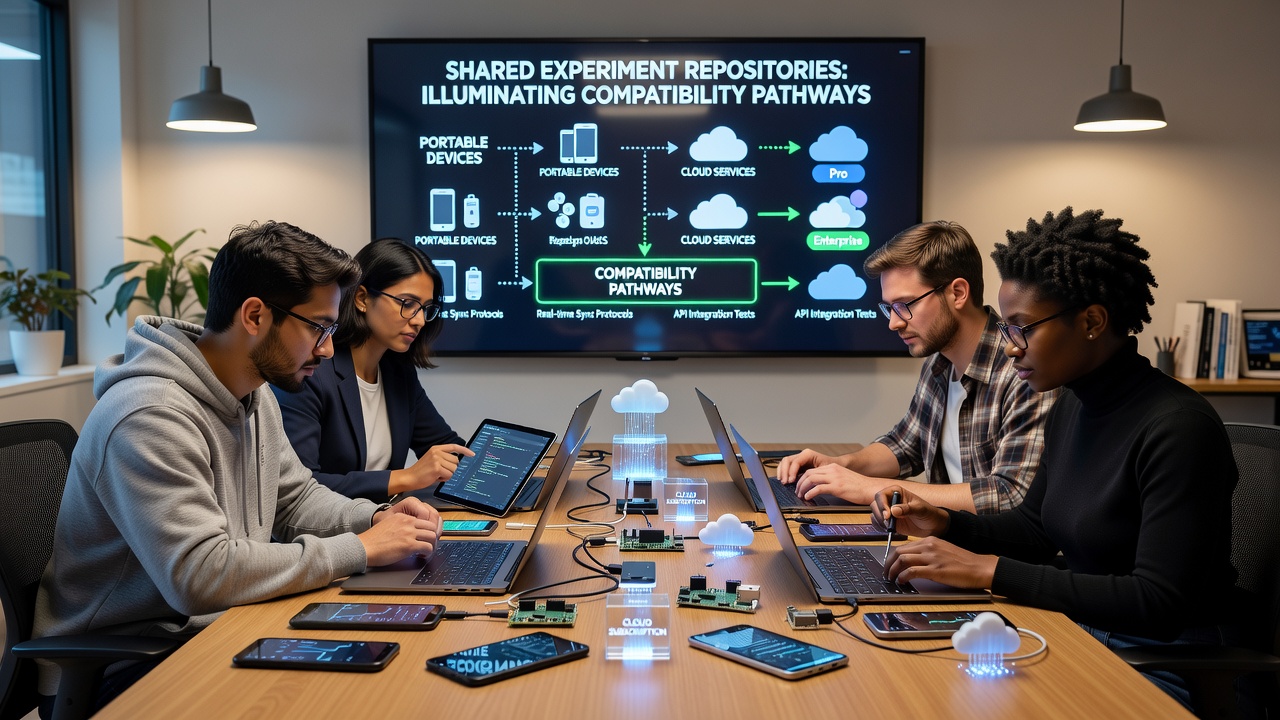
Shared Experiment Repositories Reveal Device-to-Cloud Compatibility Routes
Tech enthusiasts maintain collaborative repositories that document practical tests connecting portable devices such as tablets, smartphones, and wearables with subscription-based cloud services, and these collections surface specific integration pathways that others can replicate across different hardware models and service tiers. Observers note that contributors upload configuration files, API call logs, and synchronization results that highlight which device operating systems align with particular cloud subscription features like automated backups or real-time syncing without requiring custom middleware.
Repositories often organize entries by device category and service provider, so users searching for pathways between legacy Android tablets and enterprise cloud storage plans can locate verified scripts that adjust authentication tokens and bandwidth limits accordingly. Researchers from distributed hobbyist networks compile these records into searchable databases where filters reveal patterns such as successful pairings between iOS-based wearables and multi-tier subscription dashboards during peak data transfer periods.
Repository Structures and Contribution Patterns
Contributors typically structure repositories around modular test cases that isolate variables like network latency, encryption standards, and subscription quota enforcement, while they record outcomes from repeated trials conducted on standardized hardware setups. Data shows that many entries include timestamped screenshots and command-line outputs that demonstrate how portable device firmware versions interact with cloud service endpoints, allowing subsequent users to trace compatibility breakpoints and apply targeted patches.
August 2026 saw increased activity in these repositories following the release of updated mobile operating systems that altered background process permissions, and enthusiasts quickly shared revised scripts that restored connectivity to several major cloud platforms without violating subscription terms. Those who maintain the collections emphasize version control practices that preserve historical test data, enabling comparisons across firmware updates and service plan changes that occur throughout the year.
Practical Examples of Illuminated Pathways
One documented pathway involves connecting e-ink tablets to cloud-based note-taking subscriptions through custom API wrappers that handle offline caching before uploading to remote servers, and repository logs detail the exact sequence of authentication steps that prevent data loss during intermittent connections. Another set of entries covers fitness trackers linking with health data platforms where subscription tiers determine the frequency of automated exports, with contributors providing configuration snippets that respect device battery constraints while meeting cloud access limits.
Repositories also catalog workarounds for regional service restrictions, such as routing portable device traffic through compliant proxies that satisfy subscription licensing agreements in multiple jurisdictions. According to findings published by the National Institute of Standards and Technology, standardized testing protocols help enthusiasts validate these routes before widespread adoption occurs across user communities.

Further entries explore integration between rugged portable scanners used in field operations and cloud analytics subscriptions, where contributors log successful mappings of device sensor outputs to subscription dashboard APIs that trigger automated reporting workflows. These records often incorporate error-handling routines that account for subscription renewal cycles and device power management features, ensuring continuous data flow without manual intervention.
Impact on Broader User Communities
Shared repositories accelerate discovery of overlooked compatibilities when contributors cross-reference findings from different geographic regions, and industry reports from the European Commission digital economy publications indicate that such crowdsourced documentation supports more efficient adoption of hybrid device-cloud setups in professional environments. Participants frequently update entries after service providers adjust their subscription models, preserving pathways that remain functional across plan modifications.
Repositories sometimes incorporate visual diagrams that map data flow between portable hardware ports and cloud subscription endpoints, allowing users to visualize bandwidth allocation and encryption handshakes without executing tests themselves. These resources prove especially valuable when new portable device models enter the market and enthusiasts need immediate guidance on establishing reliable connections to existing cloud services.
Conclusion
Collective maintenance of experiment repositories continues to surface reliable compatibility pathways that connect diverse portable devices with evolving cloud subscription services, and the documented test results provide reusable frameworks for users seeking stable integrations. Observers note that ongoing contributions keep these collections aligned with hardware and service updates, supporting sustained access to functional pathways across multiple device generations and subscription configurations.