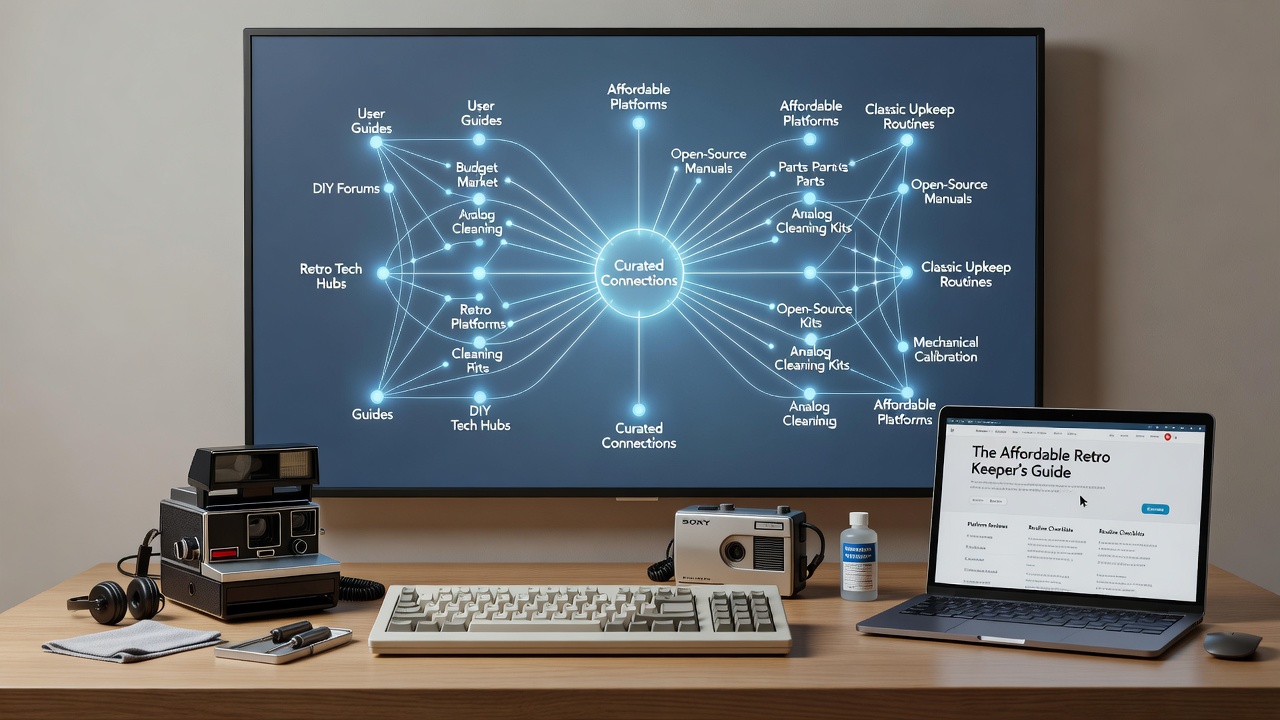
User-Curated Guide Networks Exposing Connections Between Affordable Online Platforms and Classic Device Upkeep Routines
Networks built by users compile shared guides that map affordable online platforms directly to maintenance routines for older hardware, and these collections often surface practical overlaps that individual enthusiasts might miss on their own. Participants gather configuration details, troubleshooting sequences, and subscription tool recommendations into centralized repositories where anyone can browse or contribute entries.
Structure of User-Driven Repositories
People organize these repositories through wiki-style pages, annotated spreadsheets, and threaded discussion archives that categorize entries by device age, platform cost, and upkeep frequency. Contributors log exact steps such as pairing a free diagnostic web service with a 15-year-old printer's firmware update process, while others add cross-references that show how the same platform handles similar tasks on legacy scanners or early-generation routers.
Data from contributor logs reveal patterns where low-cost automation suites connect to hardware that lacks official manufacturer support after 2020, and these patterns become visible only after multiple users compile their individual experiences into single visual maps. In July 2026 several repositories recorded a spike in entries covering tablet-based control apps paired with discontinued external drives, illustrating how subscription tiers under ten dollars per month replace functions once handled by now-unavailable desktop software.
Documented Connections to Budget Platforms
Researchers tracking repository growth note that entries frequently highlight integrations between open scheduling tools and mechanical upkeep calendars for vintage audio equipment. One common mapping shows how a cloud-based reminder service syncs with local scripts that run on single-board computers to monitor capacitor health in older amplifiers, and the same service extends to tracking lubrication intervals on mechanical keyboards from the early 2010s.
Another set of guides details the use of free tier analytics dashboards to log temperature readings from legacy server motherboards, allowing remote collectives to predict fan failures weeks in advance. These connections emerge because users test combinations across multiple devices and then consolidate the successful pairings into searchable indexes rather than keeping them isolated in personal notes.
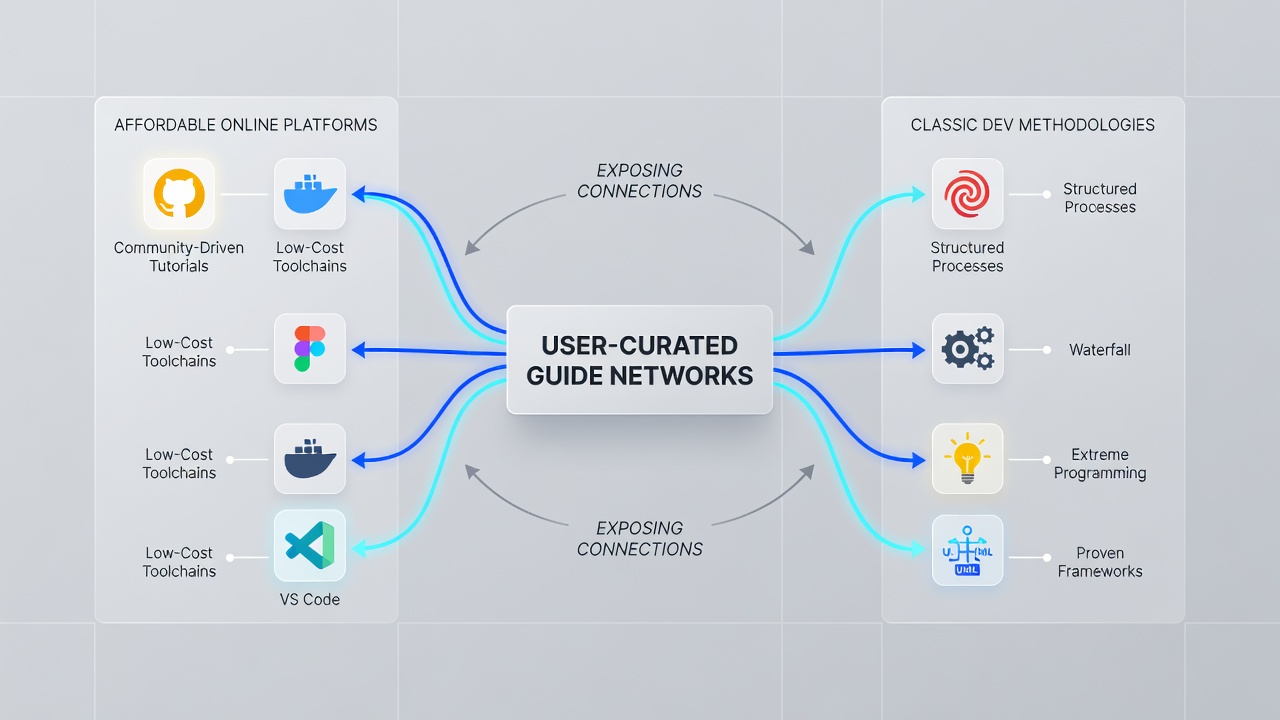
Case Examples from Distributed Contributors
Observers document cases where a collective in one region compiled a flowchart linking a mobile-first inventory app to spare-part tracking for discontinued point-of-sale terminals, while a separate group added layers showing how the same app interfaces with barcode readers from 2008. The merged resource now serves as a template that others adapt for similar hardware in different industries.
Additional entries describe how budget video-conferencing platforms double as remote diagnostic windows when paired with USB passthrough utilities on older laptops, and contributors include exact settings that maintain video stability during long sessions of component testing. These documented workflows reduce the need for physical presence at repair sites and appear repeatedly across unrelated device categories.
Broader Patterns in 2026
Figures released by the U.S. Environmental Protection Agency in mid-2026 indicate rising interest in repair documentation that extends hardware life, and user networks supply much of the granular detail that official channels lack. Parallel reports from the Australian Department of Climate Change, Energy, the Environment and Water track similar trends in community-driven upkeep records for imported consumer electronics.
Repositories continue to grow because contributors verify each new link through repeated trials before publishing, which creates a self-correcting body of knowledge focused on measurable compatibility rather than speculation. The resulting indexes function as living references that update whenever a new budget platform gains features or a classic device receives an unexpected firmware leak.
Conclusion
User-curated guide networks operate by aggregating tested pairings between inexpensive online services and established maintenance procedures for older equipment, and the resulting collections make previously scattered knowledge accessible through structured, searchable formats. Continued contributions in 2026 sustain these resources as practical references for anyone managing legacy hardware without relying on discontinued manufacturer tools.