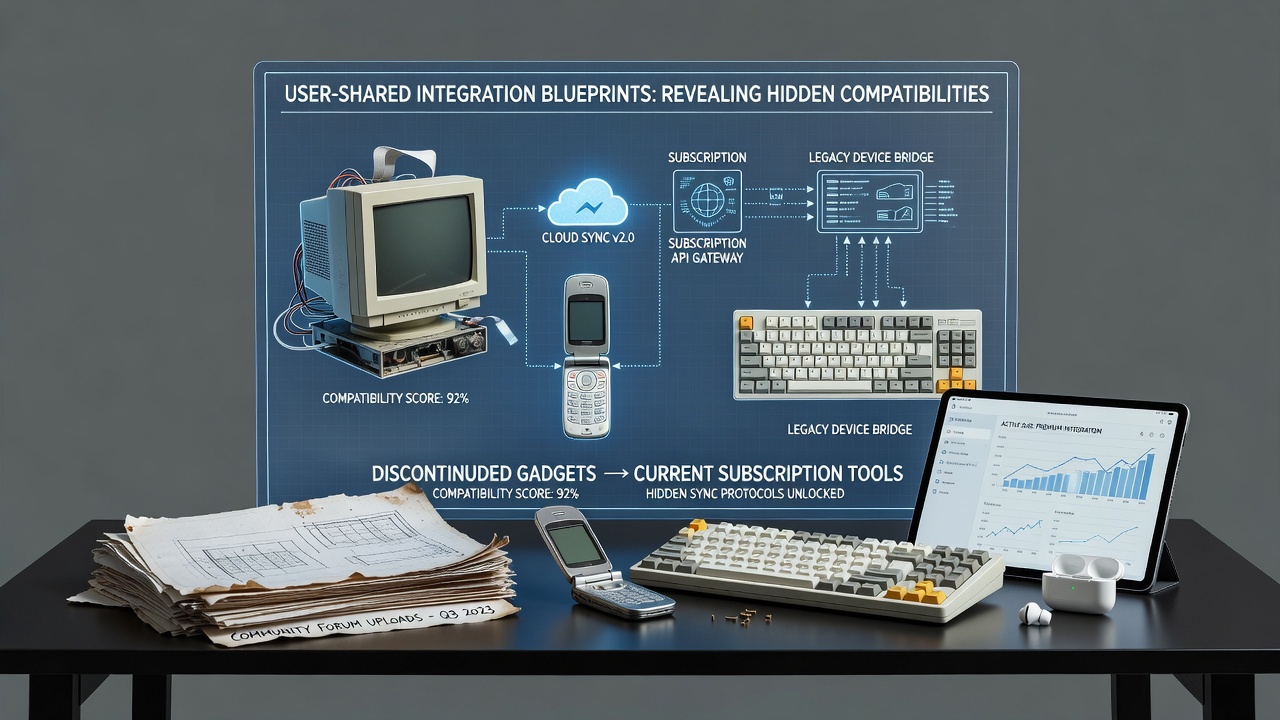
User-shared integration blueprints reveal hidden compatibilities between discontinued gadgets and current subscription-based online tools
Communities of technology enthusiasts have compiled detailed integration blueprints that connect discontinued hardware devices with active subscription services, and these documents circulate through specialized forums and repositories where users exchange configuration details. Such blueprints often map specific protocols and APIs that allow older sensors or controllers to interface with cloud platforms like automation suites and data analytics tools, and the process relies on community testing to verify compatibility across firmware versions.
Community Documentation Practices
Users document these connections through shared repositories that include step-by-step configuration logs, and they reference hardware revision numbers alongside service endpoints to ensure reproducibility. Research from institutions such as those tracked by the Australian Department of Industry, Science and Resources shows patterns in device reuse that align with these shared resources, while data collected through 2025 indicates steady growth in documented pairings between legacy IoT units and services requiring ongoing subscriptions.
Blueprints frequently address authentication layers that subscription platforms employ, and they outline proxy methods or adapter scripts that bridge gaps left by manufacturer support endings. Participants in these exchanges test combinations involving devices from teh early 2010s with services updated as recently as mid-2026, and they record outcomes in version-controlled entries that others can replicate.
Technical Mechanisms Behind the Integrations
Hidden compatibilities often stem from unchanged low-level communication standards such as MQTT or REST endpoints that persist even after hardware lines discontinue, and blueprints detail how to reroute data streams through middleware that subscription tools accept. Observers note that certain discontinued controllers retain support for OAuth variants still employed by current analytics platforms, which allows direct linkage once credential mappings are established.
Scripts shared in these collections handle data formatting conversions that subscription services demand, and they incorporate error-handling routines derived from collective trial results. In June 2026, logs from active forums recorded successful pairings between phased-out environmental monitors and subscription-based visualization dashboards, with entries specifying exact payload structures required for uninterrupted operation.
Examples of Documented Pairings
One widely referenced blueprint series covers connections between 2012-era smart plugs and contemporary energy management subscriptions, and it specifies the exact JSON structures needed to transmit usage metrics without triggering service blocks. Another set details integrations for legacy fitness trackers with health data platforms that operate on recurring billing models, and these entries list firmware patches that restore API access previously considered obsolete.
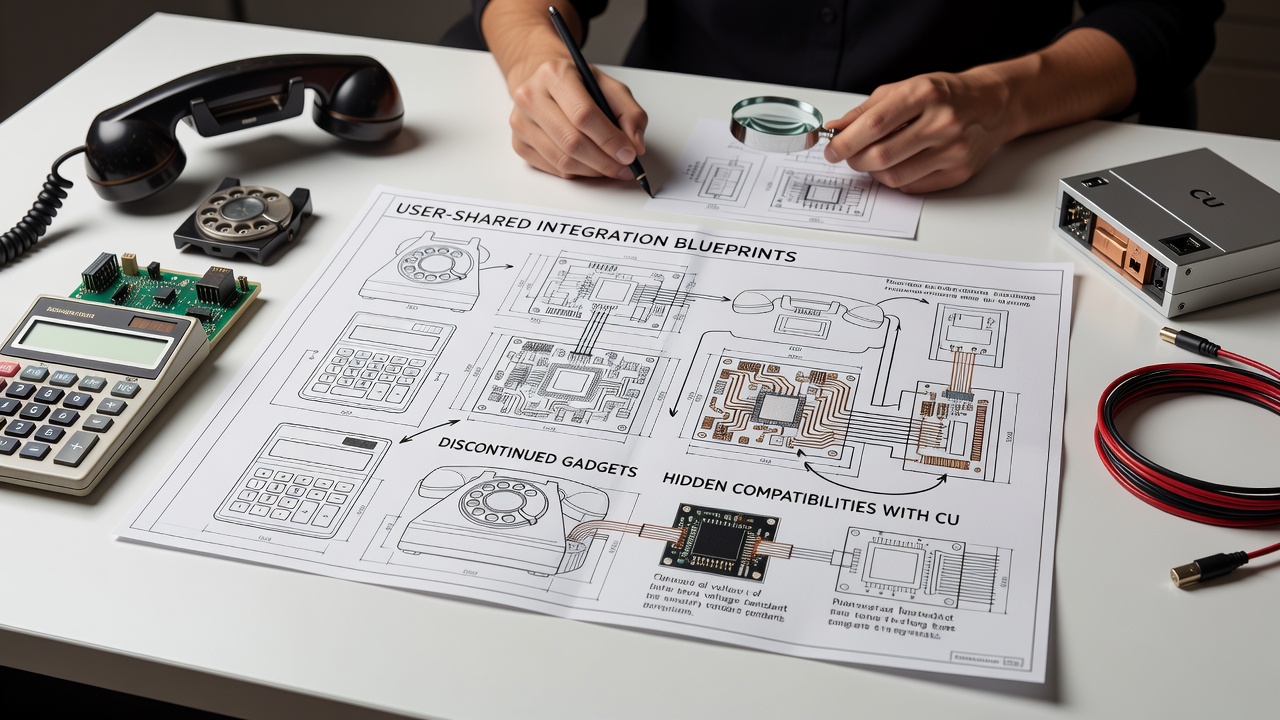
Additional blueprints address security camera models from 2015 that pair with storage and alerting subscriptions through custom RTSP wrappers, and community testers have validated these against platform updates rolled out through early 2026. Each example includes checksums for configuration files along with troubleshooting sequences that resolve common handshake failures.
Patterns in User Contributions
Contributors typically upload blueprints after verifying functionality across multiple device instances, and they categorize entries by hardware generation and target service tier. Patterns emerge where certain subscription tools maintain backward compatibility layers that align with older device capabilities, and these alignments surface only through aggregated user reports rather than official documentation.
Repositories track revision histories that reflect service changes, and contributors append notes on subscription plan variations that affect integration stability. Data aggregated from these sources reveals clusters of activity around specific device categories, including environmental sensors and basic automation controllers, with updates continuing into the first half of 2026.
Conclusion
Shared blueprints continue to surface compatibilities that extend the functional lifespan of discontinued gadgets within subscription ecosystems, and the collective documentation process relies on precise technical mappings exchanged among participants. These resources maintain records of successful configurations that reflect ongoing platform developments through June 2026, and they provide reference points for additional pairings as services evolve.